
★ ★ ★ ★ ★
TOP ESTATE & ELDER CARE LAW FIRM SERVING Ohio

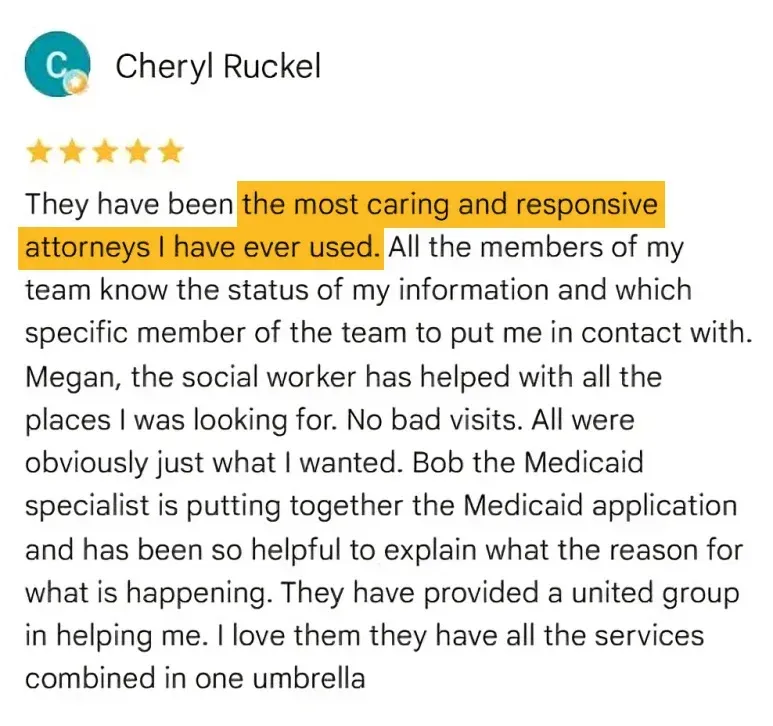
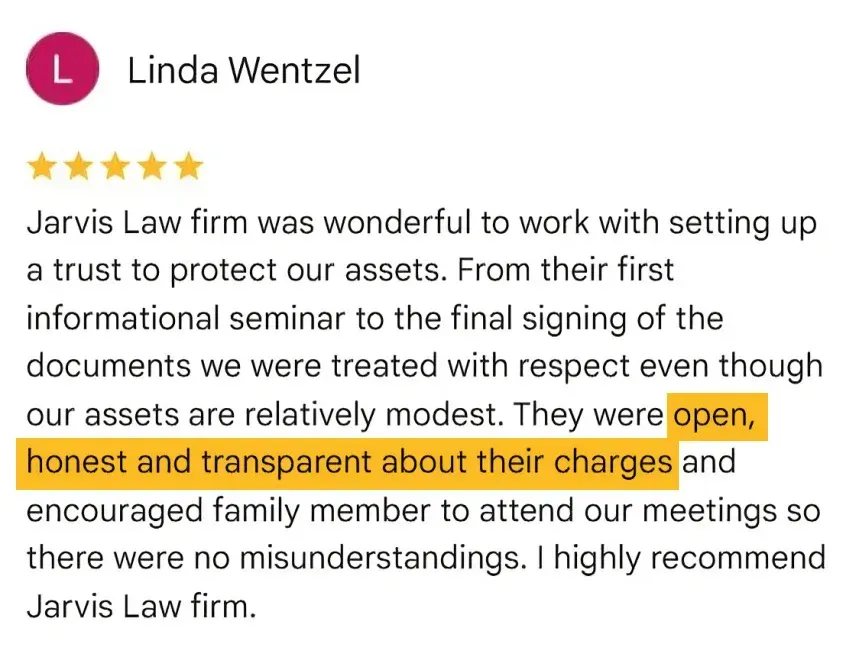
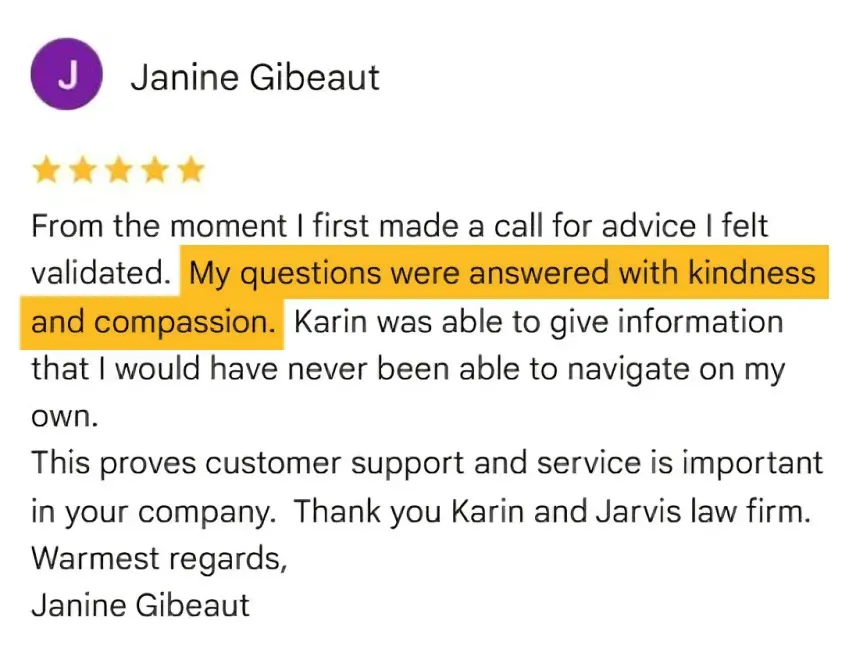
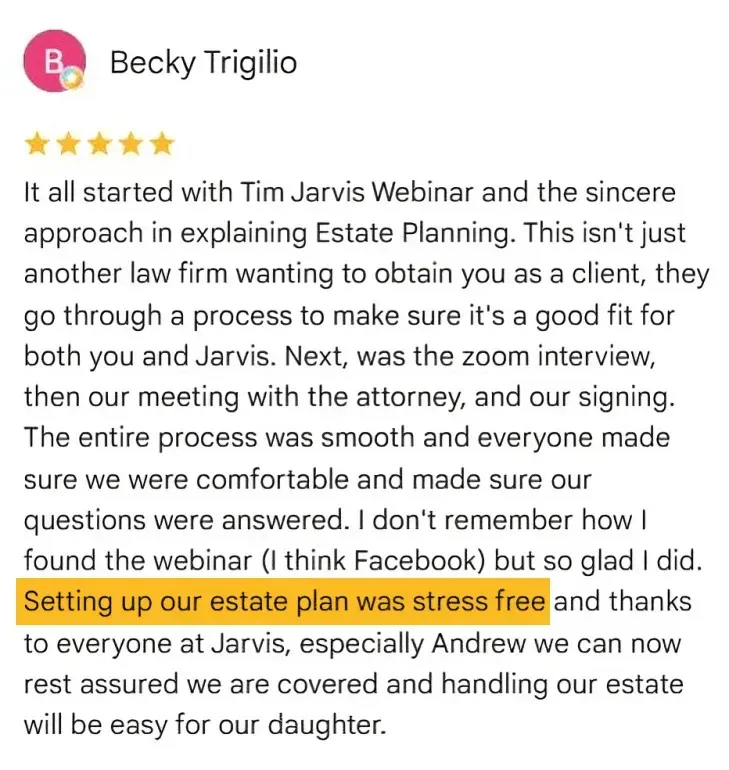
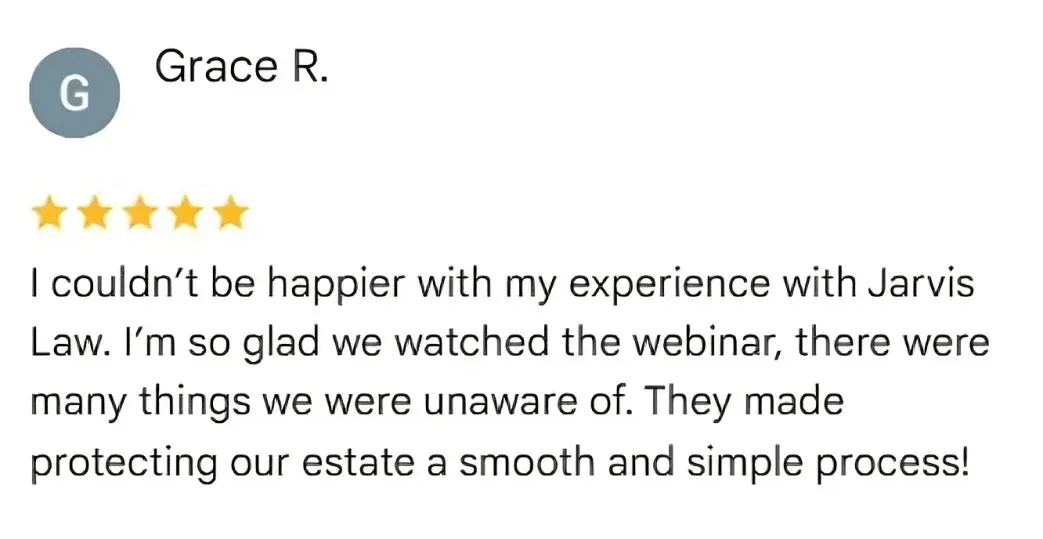
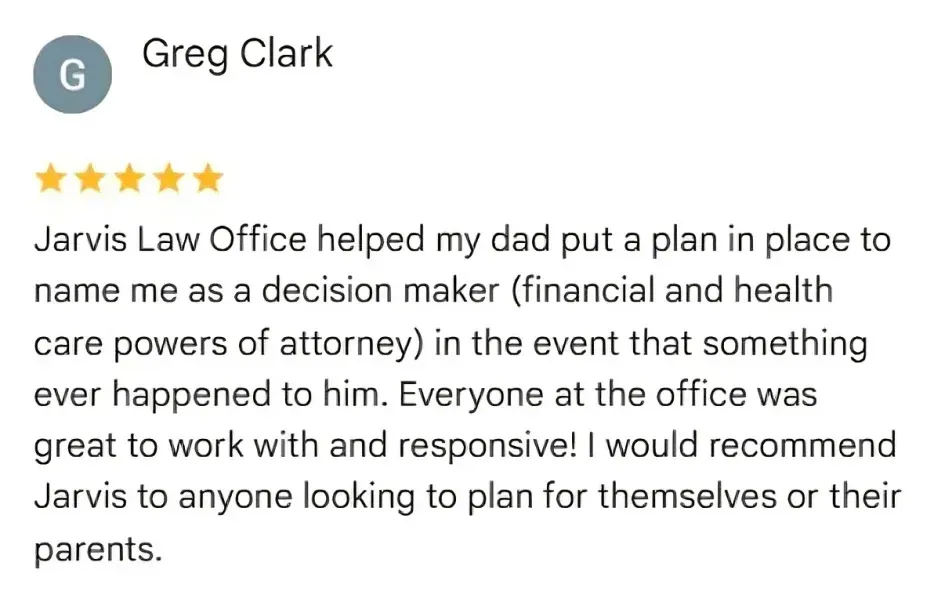
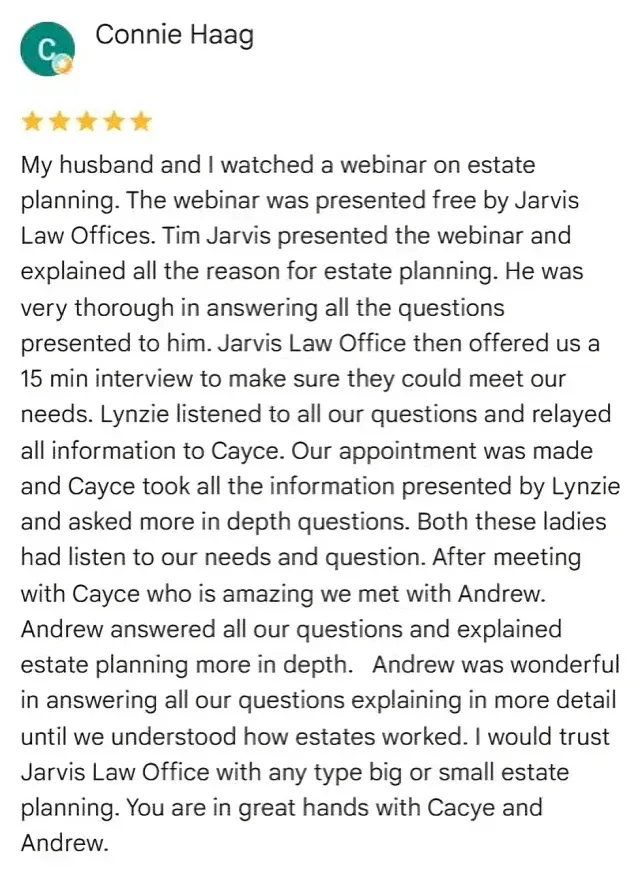
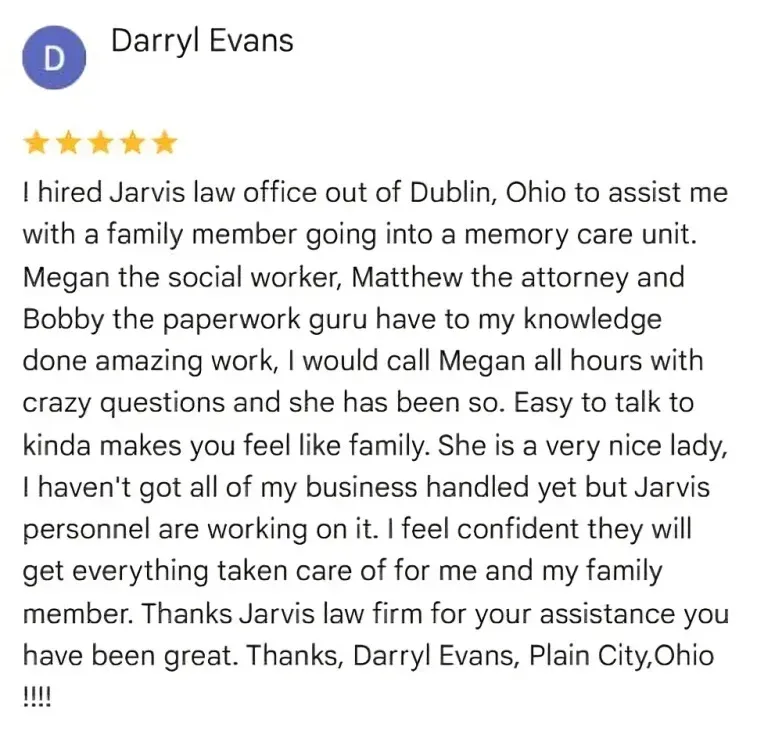
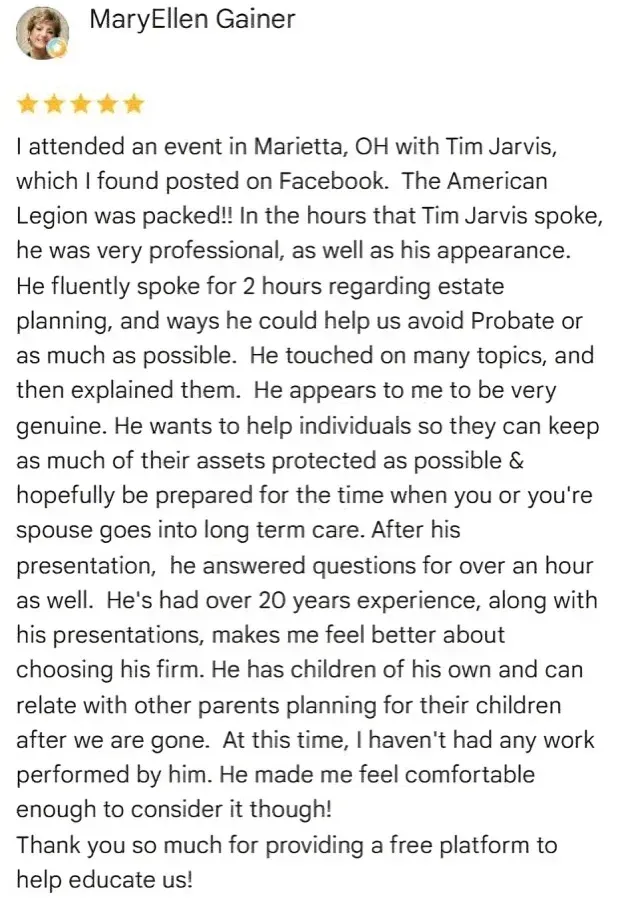
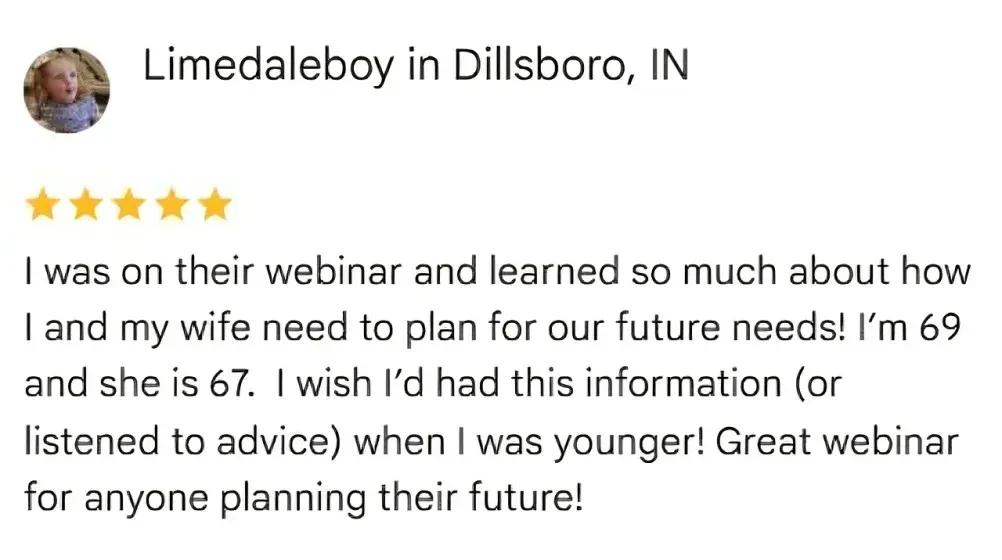
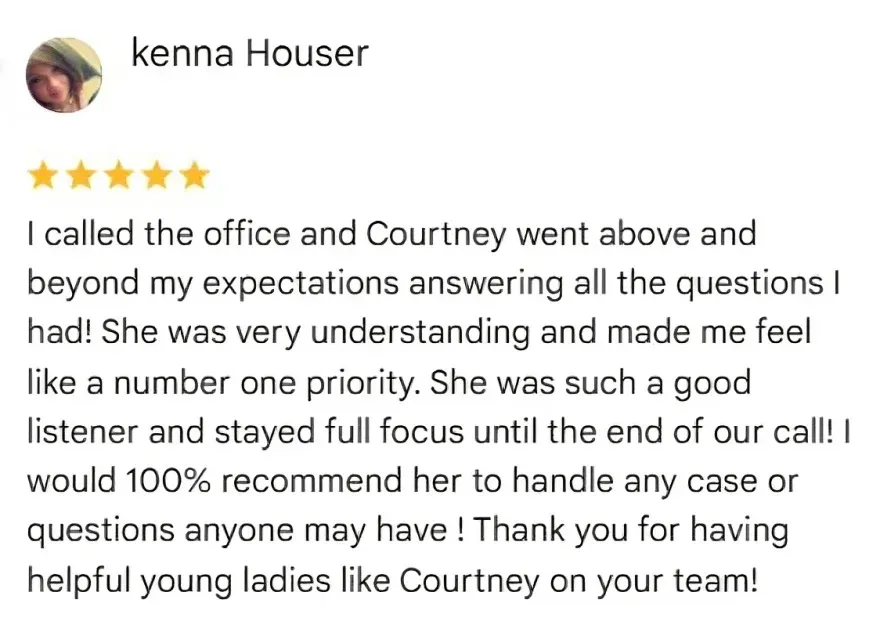
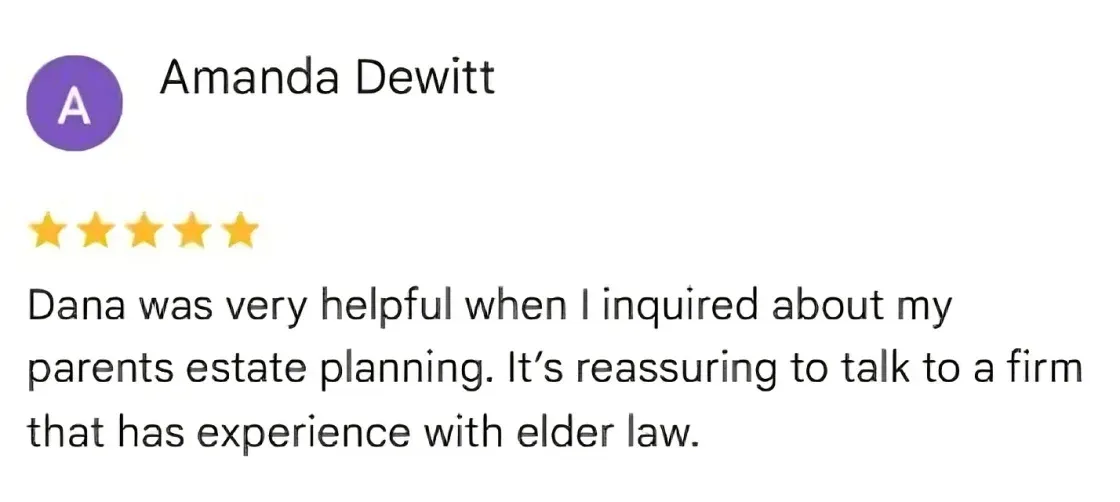
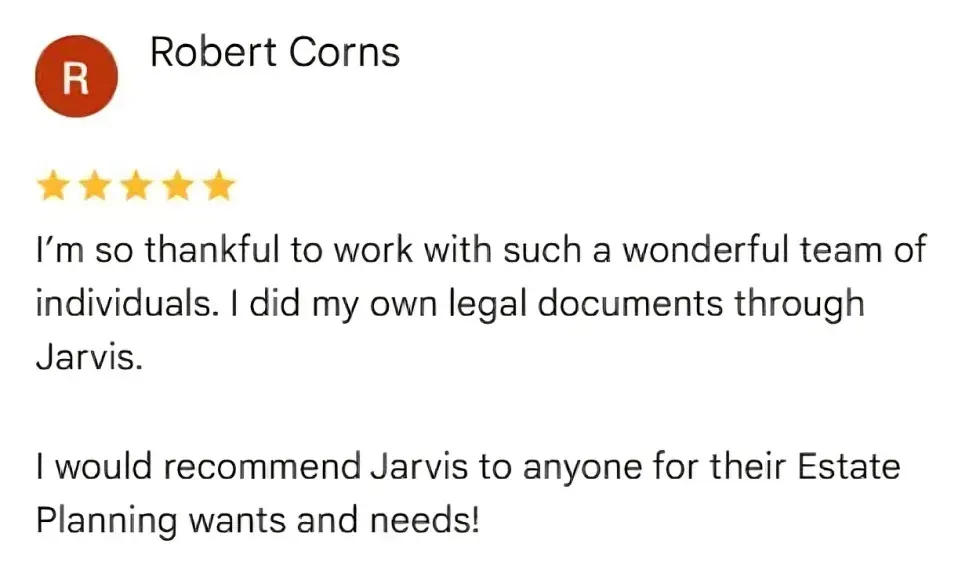
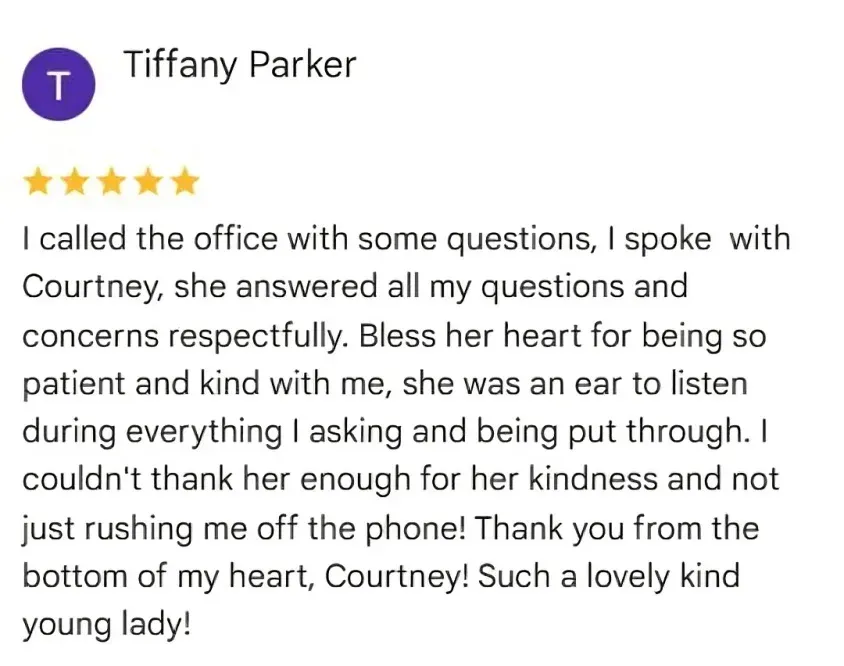
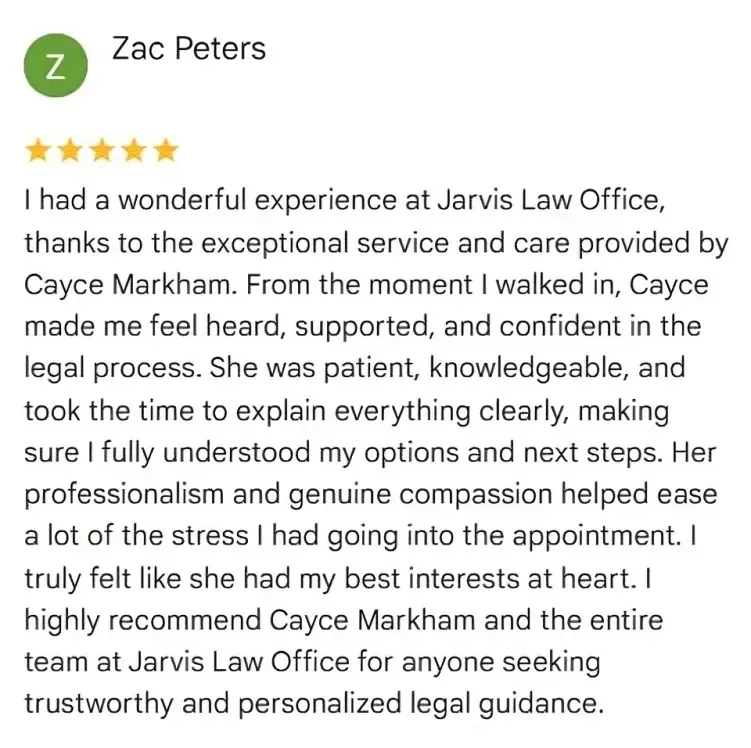
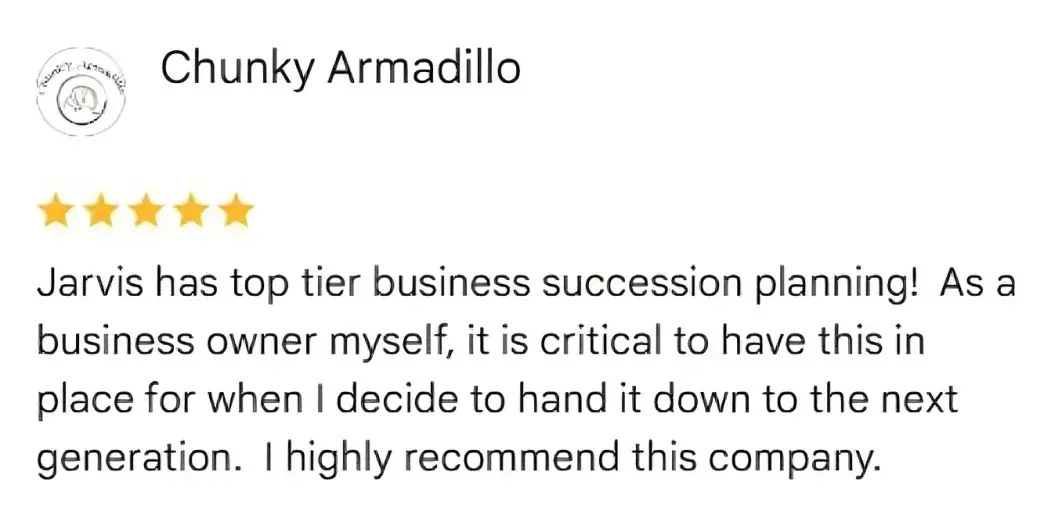
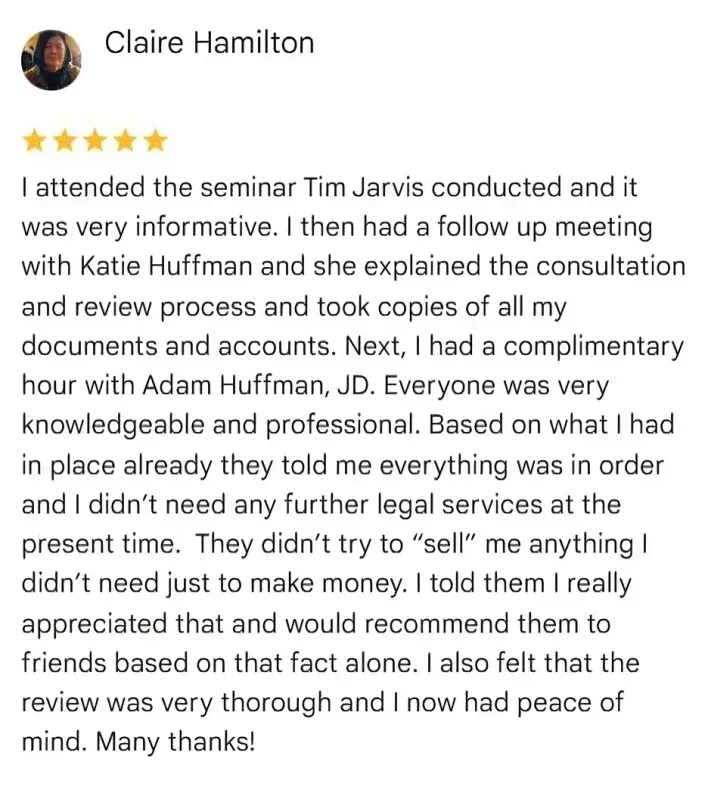
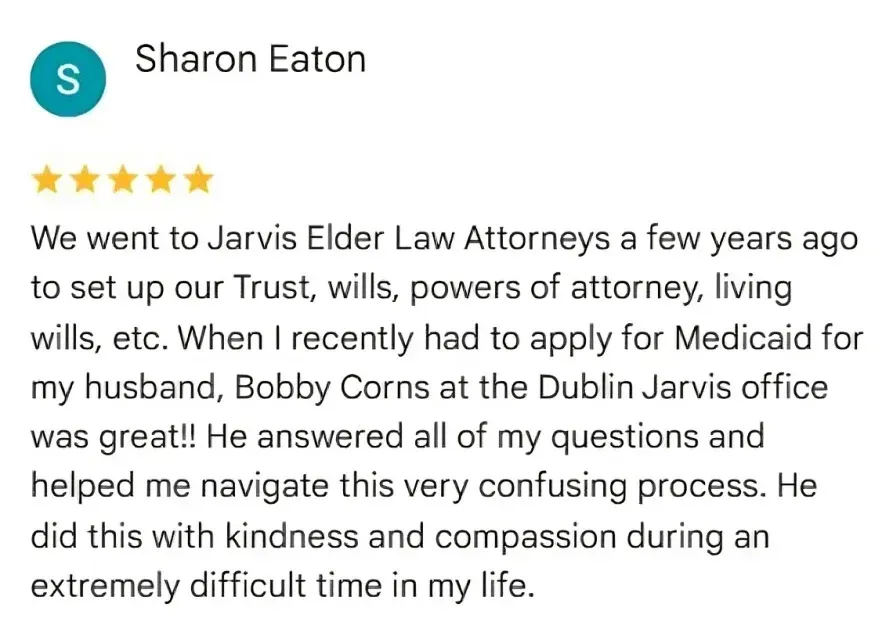
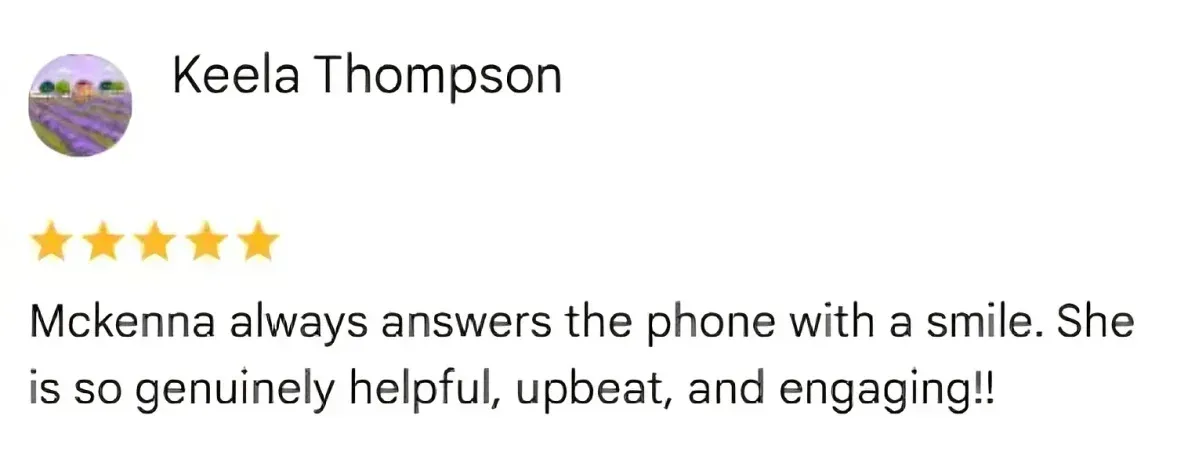
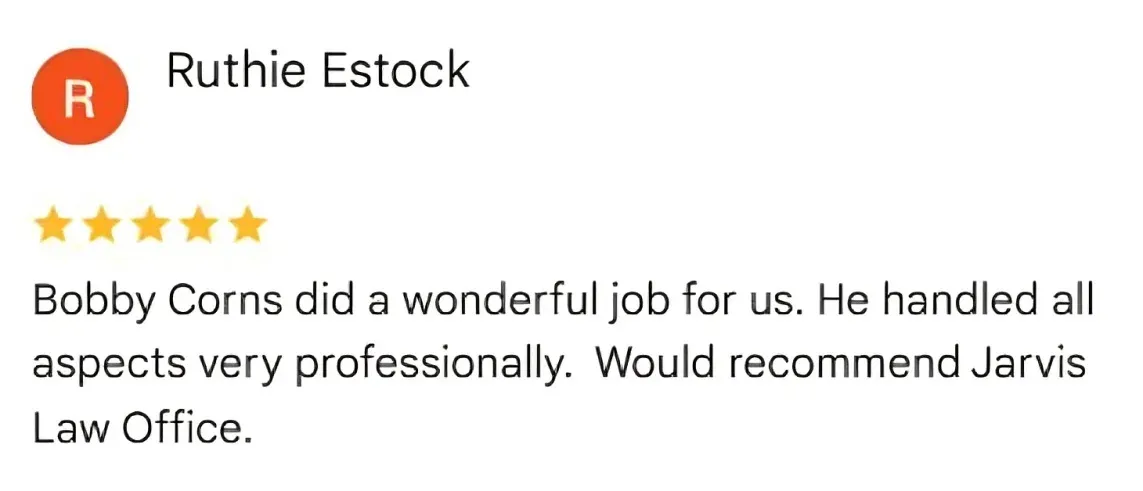
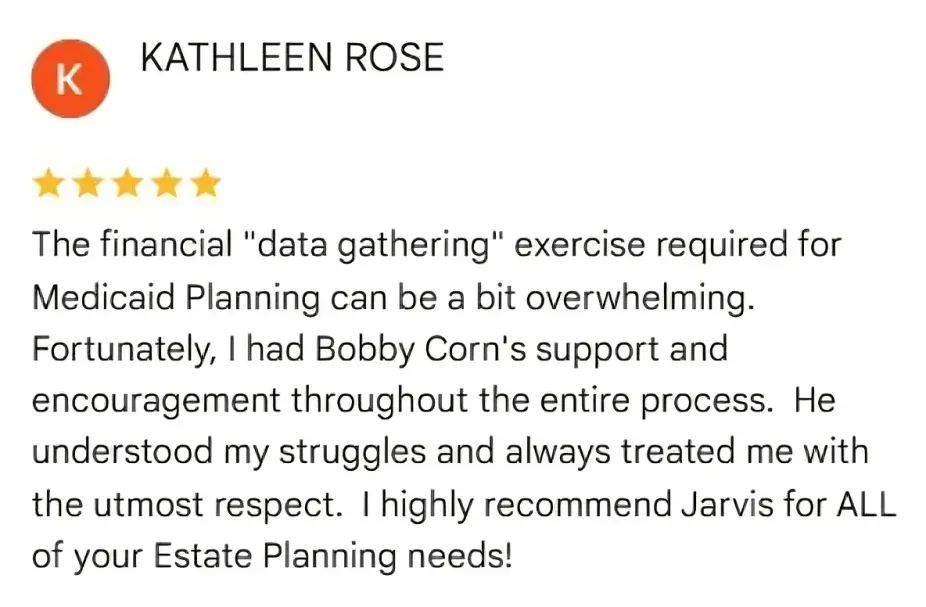
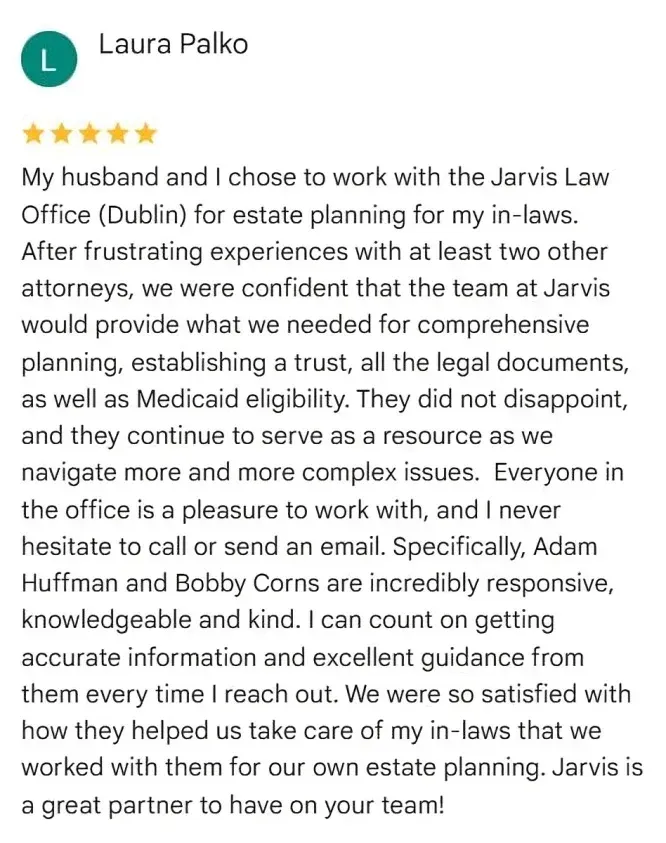
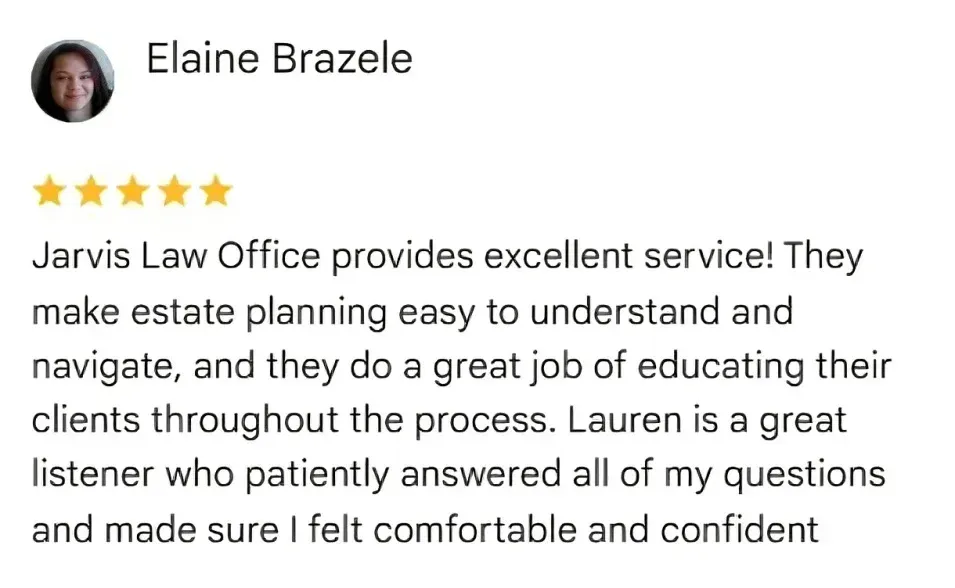
Reviews that speak for themselves!

How We Can Help:
Legacy Planning for Professionals & Retirees
Wills, Trusts, & Estate Planning
>>Protect Your Legacy & Your Assets <<
We design estate plans that do more than distribute assets—they protect them. Without the right strategy, families can face unnecessary taxes, delays, and conflict.
Our approach focuses on asset protection, control, and long-term clarity. Through tailored estate and trust strategies, we help ensure your wishes are carried out efficiently and your legacy is preserved.
Estate & Trust Administration
>> We Handle the Complexity, So You Don’t Have To <<
Administering an estate or trust involves significant legal and financial responsibility. Mistakes can lead to delays or personal liability.
We guide executors and families through the process while helping coordinate the practical next steps—ensuring everything is handled correctly, efficiently, and with minimal stress.
Long-Term Care & Medicaid Planning
>> Protect Your Assets. Plan for Care with Confidence <<
Long-term care costs can quickly erode your savings without proper planning. We combine legal strategy with hands-on Care Navigation support—helping you plan for care, protect your assets, and make informed decisions about living arrangements, providers, and long-term needs.
Peace of Mind for Families with Young Children
Wills, Trusts, & Estate Planning
>> Protect Your Spouse & Children. Secure Their Future <<
A strong estate plan ensures your children are cared for and their inheritance is properly managed. We help you put the right structures in place so your family is protected and supported, no matter what happens.
The 1st Step:
Speak With An Elder Law Professional

Convenient in-person or virtual consultations
Free Consultation
Payment Plans
Direct, easy communication - Call us anytime!
Frequently Asked Questions
What is estate planning?
Estate planning is the accumulation, the preservation and the distribution of your assets. It is accomplishing your personal family goals and easing the management of your estate, as well as minimizing taxes.
What will happen to my property if I die without a will or trust?
If you die without a will or trust, the state determines who will be your ultimate heirs. This distribution plan can be found in the intestacy statute of each state. The applicable state can be either the location of your legal residence (personal property), or the state in which your assets are located (real property).
How is my property transferred if I die intestate?
If you die intestate, the transfer of your property is accomplished through a court-supervised proceeding called probate that generally takes a minimum of six months, typically a year or more. These proceedings generally are expensive and time-consuming, and tie up your property for several months. Probate can be avoided with proper estate planning.
What is probate?
Probate is the court procedure used to change title to assets from the name of an individual who has passed away into the name of the living beneficiaries. It is also where all creditors of a decedent file claims to collect their debts and where interested parties who have a complaint regarding the deceased can file their complaint (a will contest). Even without a contest, probate can be costly and time-consuming. Probate is a public proceeding.
Can probate be avoided?
Probate can be avoided with careful planning. There are a number of different techniques for doing so which can be used alone or in combination.
How large of an estate can pass federal estate tax free?
The government allows every individual a credit against estate taxes. In the year 2018, the Unified Credit is equal to $11,200,000 in assets. This means that, in 2018, estate taxes will not be owed at the time of an individual’s death unless the net value of the estate exceeds $11,200,000 if single and for married couples who do proper planning this amount is $22,400,000. NOTE: unless Congress changes the rules, this amount will sunset in 2026 and return to 2017 levels.
What is the marital deduction?
The Internal Revenue Service allows an individual to leave any amount of assets to his or her spouse without taxation. At the death of the surviving spouse, however, all assets in the estate over approximately $11,200,000 will be included in the survivor’s taxable estate; estate taxes on assets above $11,200,000 are taxed at a rate of up to 40%.
How can I leave my estate to my spouse tax-free?
An outright gift at death qualifies for the unlimited marital deduction for estate taxes and, therefore, there will be no tax paid on the amount left to the surviving spouse. However, the $3,500,000 Applicable Exclusion Amount on the estate of the first deceased spouse is lost when the second spouse dies.
Should I use my $11,180,000 Applicable Gift Tax Exclusion Amount during my lifetime?
This is a complex question. The answer depends upon individual family circumstances and the size of your estate.
What is joint tenancy with rights of survivorship?
When property is held in joint tenancy with rights of survivorship by two or more people, upon the death of one of the owners, all of his or her interest in the property is transferred immediately to the surviving owners.
Can a married couple use joint tenancy until one spouse dies, then set up a trust for the survivor?
Yes, but this unfortunately has several problems associated with it. There is no guarantee that the surviving spouse will have time to set up a trust after the first spouse dies, or, more to the point, will actually get around to setting up a trust, regardless of the amount of time available. This method also loses the $11,200,000 Applicable Exclusion Amount tax advantage, because, like an outright gift, joint tenancy lumps all the assets in one spouse’s estate. In addition, the survivor will not see the increase in basis for the survivor’s interest as would happen in a community property state.
What if I create a joint tenancy with my child?
This is a disadvantageous way to plan an estate. The problem with putting your child’s name on the title to your property as a joint tenant is that while it will avoid probate, creditors of the child will be able to reach the joint tenancy property. It may also create a taxable gift when none is expected, and may not be consistent with your ultimately desired distribution.
What is a power of attorney?
A power of attorney is a document authorizing someone else (your agent) to act on your behalf (the principal). The purpose of giving someone such a power is to enable the agent to act on your behalf when you cannot act for yourself.
Who can create a power of attorney?
Generally, any individual can create a power of attorney if over 18 years of age, a resident of the state in which it is created, and legally competent. This, however, varies from state to state.
Who may act as an agent under a power of attorney?
In general, an agent may be anyone who is legally competent and over the age of 18. Usually, it is a family member such as a spouse or a child. More than one person can be named as an agent. However, sometimes naming two or more individuals to act together can prove inconvenient, particularly if a power of attorney must be exercised promptly. A better course is to name one individual as agent and then another as a backup.
What is the difference between a general and a limited power of attorney?
A general power of attorney authorizes your agent to do almost everything on your behalf which you could do for yourself. A limited power of attorney authorizes your agent to perform only certain acts specifically listed in the document.
How does an agent use a power of attorney?
Your agent presents the power to the other party involved in the transaction and signs any necessary documents needed for such transactions on your behalf. Your agent normally signs his or her own name, adding thereafter “Attorney in Fact for Mary Smith”.
What are the formalities of signing a power of attorney?
Requirements vary from state to state, but generally a simple notarization or signing the power in the presence of witnesses is necessary.
When does a power of attorney become effective?
This depends upon what the power says. It can be made effective at the time of signing or it can become effective at the time of your incapacity.
How does a power of attorney terminate?
Death revokes a power of attorney. You may also cancel your power of attorney by signing a revocation. The best way to revoke a power of attorney is to destroy all copies. If the power is a nondurable power of attorney, it will terminate upon your incapacity while a durable power of attorney survives your incapacity.
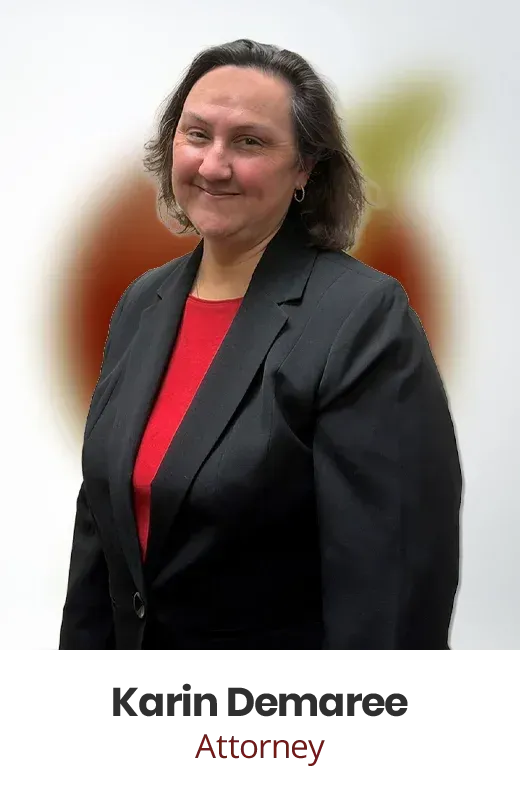
MEET OUR ATTORNEYS




★ ★ ★ ★ ★
Here are just some of our…
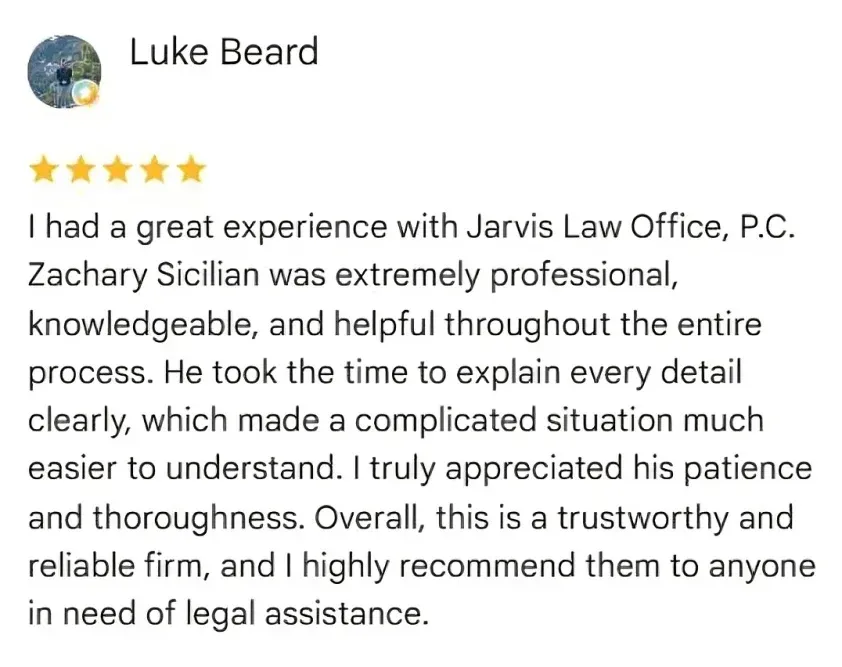
+100 Five-Star Reviews




DEFEND YOUR FUTURE
Estate law and inheritance disputes are complex. A person’s lifetime financial assets, as well as family relationships, are at stake!
We combine our deep knowledge of the law with our ample experience dealing with the emotions that come with inheritance matters – to achieve the best possible result for you.
Our mission is clear: Ensure that everything about the inheritance process is fair!
⚠️ THE RIGHT STEP NOW PREVENTS GRIEF IN THE FUTURE – DO NOT GO IT ALONE!





Frequently Asked Questions
What is elder care planning, and why is it important for Ohio residents?
Elder care planning is a niche area of law that provides legal solutions to address the unique needs and concerns of elderly clients and their families. As elder law attorneys, we help Ohio residents handle various legal issues related to long-term care planning, nursing home care, Medicaid planning, estate plans, and public benefits. A well-crafted law plan can protect assets, attain proper succession planning, and guarantee that clients receive the necessary care without sacrificing their life savings.
What distinguishes a focused elder law attorney from other lawyers in Ohio?
An elder law lawyer possesses extensive knowledge in elder law and has demonstrated significant involvement and experience in this practice area. An experienced elder law attorney should have extensive practice in elder law and continuous professional education. Choosing an elder law attorney makes sure that clients receive professional and compassionate guidance tailored to their specific circumstances.
How can Jarvis Law help Ohio residents seeking elder care planning services?
At Jarvis Law, our elder law attorneys have helped thousands of Ohio residents with their elder care planning needs. We approach each case with a focus on compassion and understanding, recognizing that elder care planning can be stressful and emotionally challenging. Our experience allows us to develop personalized solutions that protect clients and their estates while addressing their long-term care requirements.
What are special needs trusts, and do I require one for my elder care plan?
Special needs trusts are legal instruments designed to provide for individuals with disabilities or special needs while preserving their eligibility for government benefits such as Medicaid. If your elder care plan involves caring for a loved one with special needs, our elder law attorneys can guide you through establishing and managing a special needs trust, making sure your loved one’s financial and medical needs are protected.
What role does Medicaid planning play in elder care planning?
Medicaid planning is a crucial aspect of elder care planning in Ohio, particularly for long-term care needs. Our elder law attorneys have extensive experience overcoming the challenges of Medicaid laws to help clients access necessary benefits while protecting their assets. Proper Medicaid planning can prevent financial strain and provide quality care in a nursing home or assisted living facility.
Is probate always required in elder care planning, and how can it be avoided?
Probate is not always necessary in elder care planning. Through proper estate planning, such as creating trusts and using beneficiary designations, we can help clients avoid probate and attain a smooth transfer of assets to their chosen beneficiaries. This approach not only saves time and money but also maintains the privacy of the estate. Speak with a member of the experienced elder care planning team at our firm to learn more about your options.
When should I consider guardianship in my elder care plan?
Guardianship may be necessary when an elderly individual lacks the capacity to make decisions regarding their health, finances, or personal matters. Our elder law attorneys can guide you through seeking guardianship for your loved one, making sure their best interests are protected and their needs are met in a supportive and caring environment.
The 1st Step:
Speak With An Elder Law Professional